Blog: Thoughtful Words, Meaningful Growth
We learn and evolve through reading, writing, and talking. Mental health is no different—every reflection and connection helps us understand ourselves better.

Can You Create Meaning After Suffering?
Can you create meaning after suffering? After trauma, it may feel impossible to imagine a meaningful future. Trauma can change how we see ourselves, relationships, safety, and the world around us. Healing does not mean finding something positive in what happened. It can mean gradually rebuilding safety, reclaiming agency, and discovering what you want your life to become. Explore trauma, meaning-making, resilience, post-traumatic growth, and the possibility of creating a meaningful life after suffering with Serene Woods Psychotherapy.

The Practice of Choosing Forward
The Practice of Choosing Forward is not about becoming someone else. It is about staying in relationship with yourself, honestly and deliberately, across a lifetime.

Understanding the Teenage Voice: Why “Rudeness” is Often Just Growth
Parenting a teen can feel like walking through a storm of eye rolls, sharp tones, and “That’s not fair!” moments. This blog explores why teenage “rudeness” is often a normal part of growth and offers compassionate, practical guidance for parents to set boundaries, maintain calm, and turn conflict into connection.

When the Other Parent Lies to the Children: Supporting Younger Children vs. Teens
When a co-parent consistently lies or places children in the middle of adult conflict, the impact is painful—for both parent and child. This psychotherapy-informed blog explores strategies to support younger children and teens, maintain emotional safety, build trust, and navigate high-conflict situations. Learn how to stay steady, age-appropriate ways to respond, and Ontario-specific resources like Voice of the Child Reports and the Office of the Children’s Lawyer.

When Emotional Regulation Is Harder: High-Conflict Divorce
Staying emotionally regulated with your children doesn’t mean hiding your feelings—it means handling them with care. This psychotherapy-informed reflection explores how parents can model emotional safety, practice repair, and build trust with their children, even during high-conflict divorce.

Meaning-Making, Music, and Words Help Us Survive Life’s Hardest Moments
A single line from Hamlet found me in a crowded classroom while my world was quietly falling apart. “There is nothing either good or bad, but thinking makes it so” didn’t erase my pain—it gave me agency. This reflection explores how words, music, and personal mantras help us make meaning during trauma, reclaim choice, and carry ourselves forward without denying what we’ve endured.

Vicarious Trauma in Healthcare: Why It Affects More Than the “Front Line”
Vicarious trauma in healthcare extends far beyond the bedside. From laboratory technicians and researchers to administrators and executives, many professionals are repeatedly exposed to suffering, loss, and ethical complexity. Understanding how trauma impacts every layer of healthcare is essential to supporting mental health, preventing burnout, and sustaining long-term wellbeing across the system.

Who Should Diagnose Your Mental Health?
When you seek mental health care, you deserve clarity, safety, and informed choice. As Ontario debates changes to psychology training and scope of practice, understanding who can diagnose mental health conditions — and why that matters — has never been more important for patients.

Nostalgia Is Not a Strategy
Nostalgia can be comforting, but it isn’t a strategy for growth. In psychotherapy, we often explore how fixation on the past and “what ifs” can keep emotions unresolved and decisions stuck. True healing happens when we move beyond remembering and begin processing — integrating emotions, beliefs, and patterns so the past informs our future rather than holding us there.

Embracing Growth in Everyday Life
Learn how self-reflection, healthy boundaries, and energy management can transform your daily life. Discover practical strategies to boost productivity, reduce stress, and embrace personal growth for a more balanced, empowered lifestyle.

Therapy for Frontline Workers and High-Stress Professions
Frontline workers in high-stress professions carry heavy emotional and physical burdens every day. Therapy offers a safe space to process trauma, build resilience, and manage stress before it leads to burnout. Prioritizing mental health helps maintain balance, wellbeing, and the ability to show up fully both at work and in life.

Supporting Teens With Anxiety and Social Pressure
Teens today experience anxiety and social pressure in ways that are both new and familiar. Therapy, supportive parenting, and creative approaches like art, music, and play can help teens process emotions, build confidence, and navigate friendships. Generational understanding and a safe space make all the difference.

Somatic Practices in Therapy: Connecting Body and Mind
Somatic therapy helps you reconnect with your body to support mental and emotional wellbeing. Through breathwork, movement, grounding, and mindful awareness, these practices release tension, process emotions, and build resilience. Learn how somatic therapy can fit any lifestyle and become a powerful tool for self-awareness.

Therapy for Neurodivergent Individuals: Understanding Needs and Finding Support
Neurodivergent individuals often face unique challenges in traditional therapy settings. Tailored, neurodivergent-informed therapy can provide a safe, supportive space to build resilience, explore strengths, and navigate life’s challenges. Learn how therapy can be adapted to your communication style, sensory needs, and pacing.

Positive Reframing: Transforming Challenges Into Opportunities
Positive reframing isn’t always easy, but it’s a powerful tool to shift perspective and find growth in life’s challenges. By retraining your thoughts, you can reduce stress, see opportunities in setbacks, and respond to situations with resilience and self-compassion. This guide offers practical tips and examples to help you start today.

Recognizing Signs You Need Immediate Therapy
Sometimes stress or emotional overload shows up subtly, and sometimes it feels overwhelming. Recognizing when you need therapy or psychotherapy can help you regain control, prevent burnout, and build emotional resilience. Learn the key signs to watch for, how therapy can help, and why reaching out early is an act of self-care.

Seniors and Mental Health
Aging brings many transitions—retirement, health changes, and shifting family roles—that can impact mental health. Staying connected, engaged, and emotionally supported is vital. This article explores ways seniors can maintain meaningful relationships, rediscover creative outlets, navigate role reversals with parents, and embrace vulnerability as a source of connection and growth, all while fostering purpose and wellbeing in later life.
Creative Outlets for Emotional Expression
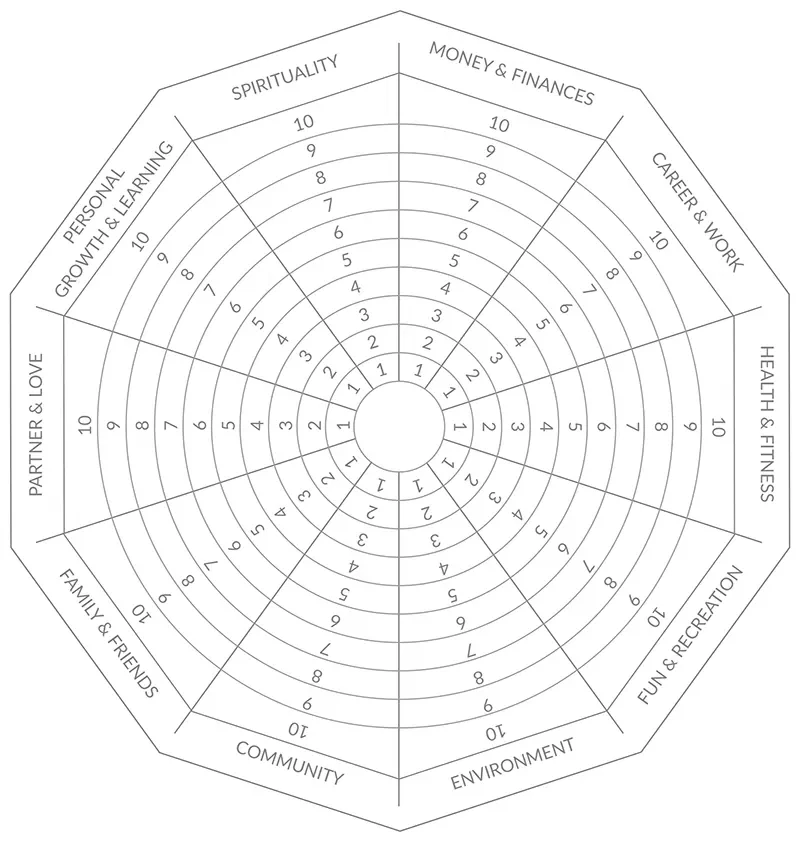
In the busyness of daily life—work, parenting, relationships, and responsibilities—it’s easy to lose touch with the activities that once helped us feel free, grounded, and emotionally connected. Creative outlets don’t have to look like traditional art or hobbies. They can be simple, meaningful ways of expressing and releasing emotions, rediscovering parts of ourselves, and creating balance across different areas of life. Sometimes, creativity is less about doing more and more about giving our emotions space to move, be felt, and be understood.

Rethinking New Year’s Resolutions
As the New Year begins, many of us feel pressured to set ambitious resolutions—be better, do more, change faster. While goal-setting can be motivating, it can also create stress, guilt, and a sense of failure when life doesn’t unfold as planned. A gentler approach invites us to slow down, reflect with compassion, and focus on progress rather than perfection. By setting intentions that honour our mental and emotional wellbeing, the New Year can become an opportunity for growth that feels supportive, realistic, and sustainable.

What Should I Really Know About My Partner?
Knowing your partner goes beyond everyday habits—it’s about understanding their values, needs, and hopes. Healthy relationships grow through curiosity, listening, and meaningful conversations that deepen connection, trust, and emotional intimacy.