Children to Teens…
There is a spirit children embody in their innocence, regardless of life events or trauma.
Let us keep that spirit alive and help it grow in a protective therapeutic environment.
Children, Youth and Teens


Kid Zone
Resources & Activities


What We Offer
Every child and teen develops at their own pace, and life’s challenges—like anxiety, depression, social difficulties, trauma, or major transitions—can affect emotional and behavioral growth. Research shows that early, evidence-based interventions can improve coping skills, emotional regulation, and overall well-being.
At our practice, we provide evidence-based psychotherapy tailored to your child’s needs, drawing on approaches such as, but not limited to, play therapy, cognitive and emotion-based therapies, attachment theory, interpersonal skill building, somatic approaches, and family-focused interventions.
Learn about our speciality in PLAY THERAPY!
Our approach includes:
Assessment & personalized planning: Understanding your child’s strengths, challenges, and developmental needs
Skill-building interventions: Teaching coping strategies, emotional awareness and regulation, and problem-solving skills
Parental collaboration: Sharing guidance and strategies for home, school, and family life
Safe and engaging environment: Encouraging participation, trust, and resilience through developmentally appropriate interactions and play
Sessions are tailored in length and frequency based on the child’s age, needs, and progress. Parents are involved as appropriate to maximize therapeutic gains, with older children’s consent.
By combining research-based strategies with individualized care (known as an integrative approach), we aim to help children and teens develop confidence, resilience, and emotional well-being—tools that last a lifetime.
-
When worry, low mood, or intense emotions begin to interfere with school, friendships, or family life, children and teens need practical support. Therapy focuses on identifying what is driving the distress and teaching clear strategies to manage it.
Sessions target anxiety, depression, and emotional regulation through skill-based work. Children and teens learn how to recognize emotional triggers, calm their nervous system, challenge unhelpful thoughts, and practice healthy responses to stress. Sessions may include role-play, structured activities, and real-life practice to help skills carry over into daily life.
Therapy is also a dedicated space where children and teens can talk openly and honestly, without feeling they have to protect their parents’ feelings. This allows parents to remain in their role as parents, while the therapist supports the emotional work.
-
School challenges can impact more than just grades—stress, frustration, and low confidence can spill into daily life. Therapy helps children and teens build skills to manage attention, organization, classroom pressures, and social interactions. It also provides a space to explore emotions, develop coping strategies, and strengthen self-esteem.
Through guided practice, they learn problem-solving, emotional regulation, self-advocacy, and ways to communicate their needs effectively. Therapy can also address peer relationships, motivation, and the emotional impact of learning differences. When helpful and with consent, therapists may collaborate with schools to reinforce strategies and create consistency across home and classroom environments. By connecting support across settings, therapy helps children and teens feel more capable, confident, and engaged in school and everyday life.
-
When your child is facing experiences that are frightening, confusing, or ongoing, it can be hard for them to make sense of their emotions on their own. As a parent, it’s natural to want to help—but these situations can be overwhelming, and you may find it difficult to know what to say or do. Therapy offers professional support to guide your child through these experiences safely, while giving you reassurance and strategies to support them without carrying the full emotional burden alone.
Sessions focus on helping children and teens process trauma, grief, or loss in ways that are safe and age-appropriate. Therapy may include emotional expression, grounding and calming strategies, skill-building to manage distress, and guided exploration of painful experiences. The pace is tailored to your child’s readiness, ensuring they feel secure as they work through challenging emotions.
All therapy is delivered with cultural sensitivity and respect for each child’s background, values, and family context, ensuring support is meaningful, personalized, and appropriate for every child and family.
-
Experiencing abuse, neglect, or other complex challenges can deeply impact a child or teen’s sense of safety, trust, and emotional well-being. These experiences are often overwhelming, leaving both children and parents unsure how to navigate the emotions and uncertainty that arise. Therapy offers a supportive, safe space where children and teens can process these experiences at their own pace, rebuild a sense of security, and develop lasting coping skills.
Using trauma-informed approaches, including a gentle process called pendulation, we guide young clients as they move between intense emotions and calmer, grounded moments. Sessions focus on emotional regulation, skill-building, and understanding experiences in a structured and compassionate environment. Every child’s journey is unique, and we honor that by moving at a pace that feels safe and manageable. Our work is aimed at long-term healing and resilience, ensuring that each child is met with care, respect, and expertise—no trauma is too complex to address.
-
Separation or divorce can bring a mix of emotions for children and teens—confusion, sadness, anxiety, or even guilt. These feelings can be overwhelming, and kids often need a safe space to explore and make sense of them. Therapy provides a supportive, neutral environment where children can express their emotions, build coping skills, and learn healthy ways to navigate changes in their family.
Sessions are designed to help children understand and manage their feelings, adjust to new routines, and develop resilience during transitions. Therapy can also strengthen communication, problem-solving, and coping strategies for co-parenting challenges or shifts in relationships with caregivers.
By offering individualized support and a consistent, caring environment, therapy helps children and teens move through family changes with greater confidence, emotional balance, and long-term well-being.
-
Every child and teen is unique, and sometimes challenges don’t fit neatly into one category. Therapy provides a safe, supportive space tailored to your child’s specific needs, helping them explore their experiences, build coping strategies, and develop skills for long-term growth.
We match each child with a therapist who has the expertise, training, and approach best suited to their individual situation. This ensures care is personalized, competent, and compassionate—focused on what matters most for your child’s development and well-being.
With individualized support, children and teens gain the tools, confidence, and resilience to navigate life’s challenges on their own terms.
Our Process
Plan with Purpose
Contact us to determine the right therapist for your child’s needs.
Our admin staff can answer who is the best-fit therapist and book appointments for you.
Call: (613) 600-5322
Email: admin@mycounselling.ca
Self-serve: https://serenewoods.janeapp.com/
Collaborate Openly
Participate with the therapist in a 50 or 80-minute parental consultation. Provide the relevant background and information to help the therapist understand your child better.
Divorced households can hold separate consultation each, if required or more comfortable.
Build Engagement
Every child is unique. The first session focuses on building trust and engagement in the therapeutic process, and when possible, beginning goal setting and skill building.
Parents usually do not attend the first session, but we are flexible and will support whatever helps your child feel most comfortable.
Watch the Development
The number of sessions your child needs depends on many factors. Change takes time and practice.
Based on your child’s needs (and with older children’s consent), the therapist may set a fixed or flexible schedule with parents to share updates, home strategies, and clinical guidance.

wHAT IS PLAY THERAPY?
Key Benefits?
WHO BENEFITS?
Play therapy is a valuable approach for helping children navigate their emotions, thoughts, and behaviors through the therapeutic use of play. Unlike a visit to a doctor’s office, play therapy feels less clinical and intimidating—children engage in games, art, drama, and toys in a safe and welcoming environment, allowing them to express themselves naturally and at their own pace.
Through play, children can explore feelings, work through difficult experiences, practice problem-solving, and develop coping and social skills. This approach allows therapists to understand a child’s inner world while helping them build emotional awareness, resilience, and confidence—all in a way that feels familiar, safe, and empowering.
Expression of Emotions: Play therapy provides children with a non-verbal way to express complex feelings that they might not yet have the language to describe. This can be particularly beneficial for children who have experienced trauma, abuse, or neglect.
Developmental Support: It supports children with developmental delays, ADHD, autism, and other conditions by fostering skills like creativity, problem-solving, and social interaction.
Emotional and Behavioral Regulation: Children can learn to manage their emotions and behaviors better through structured play, gaining tools to cope with stressors and challenges.
Play therapy is particularly effective for children aged 3-12, but it can also benefit older children and teenagers. Even if a child is not facing significant issues, play therapy can be helpful for addressing everyday stresses or conflicts. It provides a supportive environment where children can explore and understand their experiences in a constructive way. Common issues addressed:
ADHD
Anxiety
Autism Spectrum Disorders (ASD)
Eating Disorders
Depression
Trauma-Related Issues
Social Problems (e.g., bullying)
School-Related Stresses
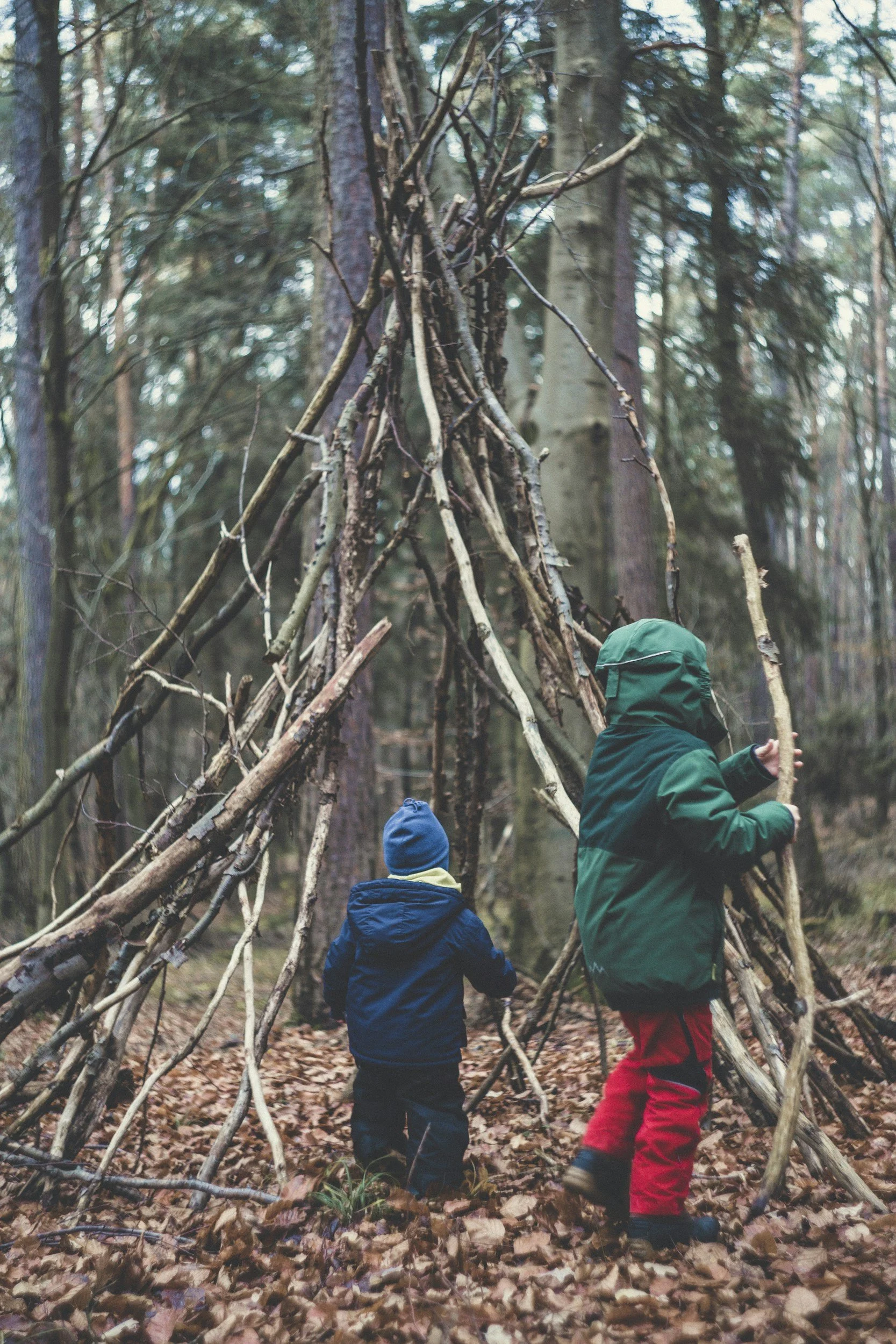
Kid Zone
🍃
Kid Zone 🍃
Our Kid Zone is a collection of helpful resources created to support children, teens, and the adults who care for them.
Inside, you’ll find easy-to-use worksheets, activities, and tools designed to help kids understand their emotions, build coping skills, and practice healthy ways to manage stress and big feelings. These resources can be used at home, in school, or alongside therapy — whatever feels most helpful for your family.
Whether you’re looking for conversation starters, calming activities, or practical strategies to support emotional growth, the Kid Zone is here to help. No pressure, no perfect way to use it — just supportive tools you can explore at your own pace.